
- What defines short-term versus long-term storage?
Short-term storage is typically for three months or less, whilst long-term storage extends beyond three months and can last for years.
- Is long-term storage more cost-effective?
Generally yes. Long-term storage often offers discounted monthly rates for extended commitments. However, short-term storage prevents paying for unused time if your needs are genuinely temporary.
- Can I switch from short-term to long-term storage?
Most facilities offer month-to-month agreements, allowing you to extend your rental period as needed.
- How often can I access my storage unit?
Access policies vary by facility. At Safestore, we allow access via keycard from 6am to 8pm, seven days a week.
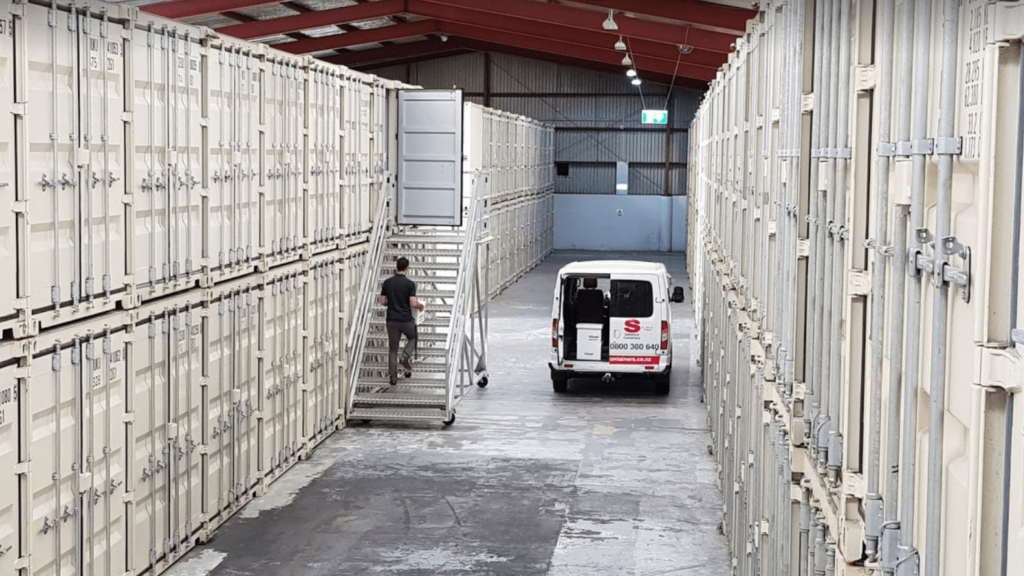
Are you downsizing? Moving between homes and have a major delay between vacating the old house and moving into the new one? You have a jetski but nowhere safe to store it on your property? Or has your business got a large delivery of stock arriving from overseas and you have nowhere to put it?
Short-term and long-term storage serve different purposes, and come with different pros and cons. Choosing wisely (and being realistic about your situation) can save you money and stress.
What is Short-Term Storage?
Short-term storage generally is for rental periods of three months or less. This prioritises flexibility when you’re going through transitional periods. It’s designed for temporary needs when you don’t want a long-term commitment hanging over your head.
4 Times When Short-Term Storage Makes Sense
When should you choose for short term, month-by-month, storage options?
Moving House
If there’s a gap between leaving your current property and moving into your new home, short-term storage provides a safe holding space for your furniture and boxes. This can be common in New Zealand’s competitive property market where settlement dates don’t always align perfectly.
Renovations and DIY’ing
Home improvement projects can take weeks or months (depending on the enthusiasm of the DIYer). Short-term storage protects your furniture from construction dust, paint, and potential damage whilst keeping your home a little more organised during the chaos of renovation.
Temporary Relocation
If you’re traveling overseas for work, studying abroad, or house-sitting, short-term storage keeps your possessions secure without requiring you to commit to extended contracts.
Student Storage
University students often need storage between the end of the academic year and the start of the next one. Put your furniture in storage, go to your hometown for a few months, and then come back in the new year and move your belongings into your new flat.
It’s more secure and easier than trying to negotiate with your landlord for an extended lease, or convincing a friend to store your things for a few months.
What is Long-Term Storage?
Long-term storage extends beyond three months and can last for years. This option typically offers better monthly rates for those committed to longer rental periods.
6 Times That Long-Term Storage Makes Sense
Long term storage is ideal for the following situations.
1. Downsizing
Moving to a smaller property doesn’t mean parting with everything. Long term storage allows you to keep furniture, heirlooms, and sentimental items safely whilst enjoying a cosier living space.
2. Extended Travel or Overseas Posting
If you’re working abroad, on military deployment, or taking an OE, long-term storage protects your belongings until you return to New Zealand.
3. Business Inventory and Archives
Long-term storage is great for keeping business inventory safe, or for storing documents that must be retained for legal or tax purposes. New Zealand businesses often use this option for excess stock, seasonal merchandise, or important records.
4. Family Heirlooms and Collections
Valuable items you’ve inherited but don’t currently have space for benefit from the stable, climate-controlled environment that long-term facilities typically provide.
5. Seasonal Storage
Short-term storage is ideal for things you occasionally use, like deck furniture and camping gear.
6. Vehicle and Equipment Storage
Small boats, jetskis, or motorcycles you only use seasonally (or never, depending on Auckland weather) can be stored safely long-term in secure facilities.
How To Decide What’s Best For You?
Consider these key questions:
- How long do you realistically need storage for?
- How frequently will you need to access your items?
- What’s your budget for monthly storage costs?
- Are your plans likely to change in the coming months?
Pricing structures differ significantly between the two options. Short-term storage typically features higher monthly rates but offers flexibility with month-to-month agreements. They prevent unnecessary long-term commitments.
Long-term storage usually provides discounted rates for extended commitments. Long-term contracts often provide cost savings through discounted monthly rates compared to ongoing short-term rentals. However, you’re committing to a longer period, which requires more certainty about your storage needs.
Flexible Short Term vs Stable Long Term Storage in Auckland
The fundamental trade-off is flexibility versus stability. Short-term storage gives you the freedom to adapt as your circumstances change, whilst long-term storage provides stability and cost savings when you know you’ll need space for an extended period.
Most reputable New Zealand storage facilities offer month-to-month agreements for both options, allowing you to transition from short-term to long-term storage as your needs evolve.
The right storage solution should reduce stress, not add to it. Whether you choose short-term flexibility or long-term stability, selecting a secure, accessible facility with clear pricing ensures your belongings remain safe whilst you navigate life being its unpredictable self. Contact us to find out how Safestore can help you choose the right storage option for your needs.
Long-Term vs Short-Term Storage: Which Option Fits Your Needs