
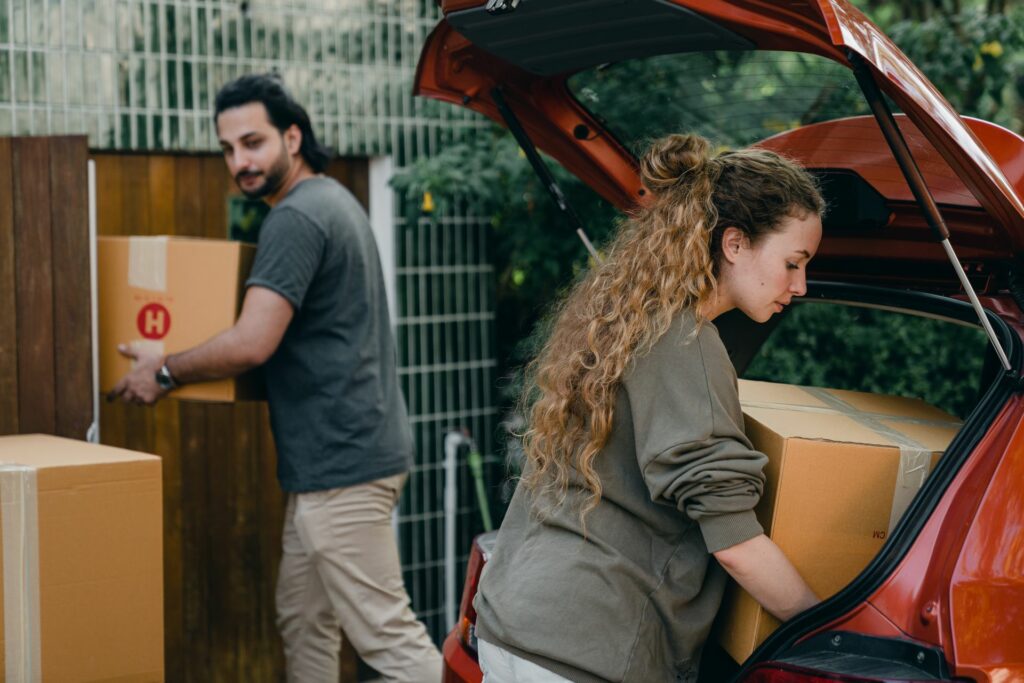
Onehunga has quietly become one of Auckland’s more sought after suburbs, drawing a genuine mix of first home buyers, growing families and long term renters who want harbour proximity without the inner-city price tag. Sitting between Royal Oak, Hillsborough and the Manukau Harbour, it offers something increasingly rare in central Auckland: a real range of housing types, a working town centre, and easy connections to the rest of the city. If you’re weighing up a move here, here’s what the housing stock, the market and everyday local life actually look like.
Onehunga’s Housing Mix: What Buyers and Renters Will Find
Onehunga’s housing stock is genuinely varied, from early villas and worker cottages to a growing number of townhouse and apartment developments driven by Auckland’s intensification policies. Newer townhouses and apartments now sit alongside restored 1920s bungalows rather than replacing them.
That variety cuts both ways for movers. A character villa with generous outdoor space has very different storage needs to a two-bedroom apartment near the town centre, and most people relocating here, especially renters, are landing in the newer, more compact stock. Extra furniture, seasonal gear or boxes from a bigger previous home often need somewhere to go while you settle into a smaller layout.
What Makes Onehunga Worth Moving To
Beyond the property market itself, Onehunga’s everyday amenities are a big part of why people choose to settle here:
- Established character streets with renovated villas and cottages, alongside a growing mix of modern townhouses and apartments
- Onehunga Mall’s cafés, restaurants and everyday retail, plus the nearby Dress-Smart outlet centre, all within walking distance of many streets
- Jellicoe Park and the harbour foreshore reserve, offering green space and water access rarely found this close to the CBD
- A strong spread of local schooling options, including Onehunga High School (years 9–13), Onehunga Primary (years 1–6), and St Joseph’s Catholic School (years 1–8)
- A genuine village feel with a working town centre, even amid ongoing new development
These everyday essentials are a large part of what makes Onehunga worth the move, whether you’re buying long-term or renting while you get settled, alongside having the right storage plan in place.
For Buyers: What to Expect in Onehunga’s Property Market
Onehunga’s property market moves at a steady, competitive pace. The average house value sits around $1,030,750, and it takes roughly 27 days on average to sell a home here, with over 300 properties changing hands in the past year. Only 59.5 percent of Onehunga households own their home outright or hold it in a family trust, against 66 percent nationally, which reflects how tightly held established streets are (Stats NZ, 2023 Census).
A settlement gap of several weeks between selling and moving in is common, and that’s exactly the window a storage unit close to your new address earns its keep, keeping furniture and boxes safe without cluttering a half-moved-into home.
For Renters: What Long Term Tenants Should Know
Median rent across all property types in Onehunga sits around $610 a week as of early 2026, with two-bedroom flats the most common rental in the suburb. Your rights as a tenant are the same as anywhere in New Zealand: your landlord must lodge your bond with Tenancy Services and meet the Healthy Homes Standards, in effect from 1 July 2025.
Before you move into a smaller Onehunga rental, it helps to have a plan. A few things worth sorting in advance:
- Measure your new place before you pack – know what fits before moving day, not after.
- Book storage ahead of your move-out date – secure storage close to Onehunga means one less thing to arrange last minute.
- Separate what you need day-to-day from what can wait – seasonal items, spare furniture and boxes you won’t touch for months are ideal candidates for a unit rather than a cramped hallway.
- Have your paperwork and references ready – rental competition near the town centre can be sharp, so being move-in ready helps you act fast.
Getting these sorted before your move date takes the pressure off in the first few weeks.
Self Storage Units and Pricing in Onehunga
Safestore Containers operates a dedicated storage facility in Onehunga, with three unit sizes to match different moving situations, all secure, weatherproof and GST inclusive with no setup or admin fees:
- Small Unit (2.4m x 1.5m x 2.4m, 8.5m³) – suited to a one-bedroom apartment. From $100/month upper level, $140/month ground level.
- Medium Unit (3m x 2.4m x 2.4m, 17m³) – suited to a one to two-bedroom flat or unit. From $185/month upper level, $250/month ground level.
- Large Unit (6m x 2.4m x 2.4m, 33m³) – suited to a three to four-bedroom house lot or single car. From $199/month upper level (external), $400/month ground level (internal), with four pricing options depending on access type.
Whichever size fits your move, units sit within a fenced, easy access yard close to Onehunga Mall, so dropping off or retrieving items stays simple throughout your move. See the full Onehunga unit sizing and pricing breakdown for all access options.
Get Started With Your Onehunga Move
Onehunga’s varied housing stock and strong local community keep pulling in buyers, renters and families, even with a tighter market on both sides. The right preparation, including secure storage close to home, makes the move itself easier.
Safestore’s Onehunga location has secure options built around your timeline. Get a free quote from Safestore Containers before making a move.